
Is a Digital Filmmaking Career for You?
Explore digital filmmaking and possible careers.
Digital Makes Filmmaking Accessible to All
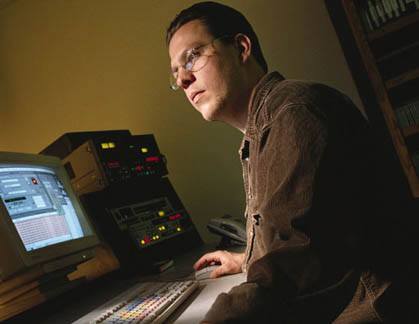
Digital filmmaking is the norm these days, enabling filmmakers to blend art and digital media and speed up the process of filmmaking as well as be more creative and enterprising in the special effects department.
In short, more flexible digital cameras—such as the Panasonic HVX 200 and the RED One and Scarlet cameras—and editing software such as Final Cut Pro Studio, have made the cinematographer's and editor's jobs easier and made it possible for filmmakers to produce quality films at much less expensive cost.
What this means for film students is that breaking into the industry isn't just less expensive, but getting your work out there is easier too.
Advantages of Digital Filmmaking
Even big blockbuster films are using digital. While the first two films in "The Hunger Games" series were shot on 35mm and 65 mm (IMAX), and Christopher Nolan's epic "Dunkirk" was shot on 65mm, "The Hunger Games: Mockingjay, Parts 1 and 2" are shot using digital, and more and more movies embrace digital as the norm, not the exception. David Fincher's "Gone Girl" is the first feature film to be shot with
Here are some plusses to digital filmmaking:
- Digital filmmaking is accessible. Relatively low cost and user friendly, digital recording equipment is the personal computer of the film industry. While this could be seen as a threat to the establishment, these new voices in film can also inspire others and bring new energy to the film industry.
- Editing is simple. Like digital recording equipment, editing equipment for digital film is affordable and also easy to master. Postproduction can be less cumbersome in the digital world. If someone with no training in digital film editing can do a reasonable job on their Mac, imagine what someone with digital filmmaking career training could do.
- Digital distribution reaches a wide audience. You no longer need a big marketing budget to reach a wide audience. Today, your movie could take off on YouTube. Digitally formatted films aren't bound to traditional distribution methods.A little success could open big doors for your film career.
- Digital projection saves money. The cost to make and ship a 35mm print is approximately $1,500 while the cost to make a hard drive containing a digital movie is $150. A digital print won't break or scratch and the format presents the ability for theaters to show alternate programming, such as live theater and opera.
With movie studios theatrically distributing their films in the digital format, the burden will fall on theaters to convert their platter projection systems to digital. Otherwise, the only films they'll be able to screen are art house and classic repertory older movies, which could be critical to smaller theater owners.